Are you looking to scale your social media marketing efforts specifically tailored for car dealerships? In today’s technology-driven market, social media has worked wonders for businesses, especially in the automotive industry. With millions of active users on platforms like Facebook and Instagram, effective social media marketing for car dealerships helps you acquire more customers and build your brand online. Remarkably, 95% of car buyers use digital resources as their primary source of information.
While most dealerships have advantages like a good physical location, an extended vehicle warranty, and insurance discounts, you can still build trust with potential car buyers and attract more customers. Here, you will learn how to use social media marketing for car dealerships.
Why is Social Media Marketing for Car Dealerships Important?
More sales
Social media marketing is linked to more car sales because of the significant number of mobile-first auto consumers. They usually base their buying decisions on research on their phones and tablets, and about 74% of buyers do their research on their mobile and tablet devices. This makes social media marketing a surefire way of exploiting mobile and smartphone supremacy.
Increase website traffic
Social media promotes your content to your target audience and generates more leads. While you’re at it, you can educate and introduce your offerings to them. You can post your blog posts on Facebook and LinkedIn as soon as they go live on your website to drive more traffic and gain website visibility.
Less promotion costs
Social media marketing is more practical for car dealerships than traditional forms of marketing, such as print ads and television commercials. This option is favourable for small businesses and startups with limited marketing budgets.
Effective Ways to Use Social Media Marketing for Car Dealerships
Know Your Target Audience
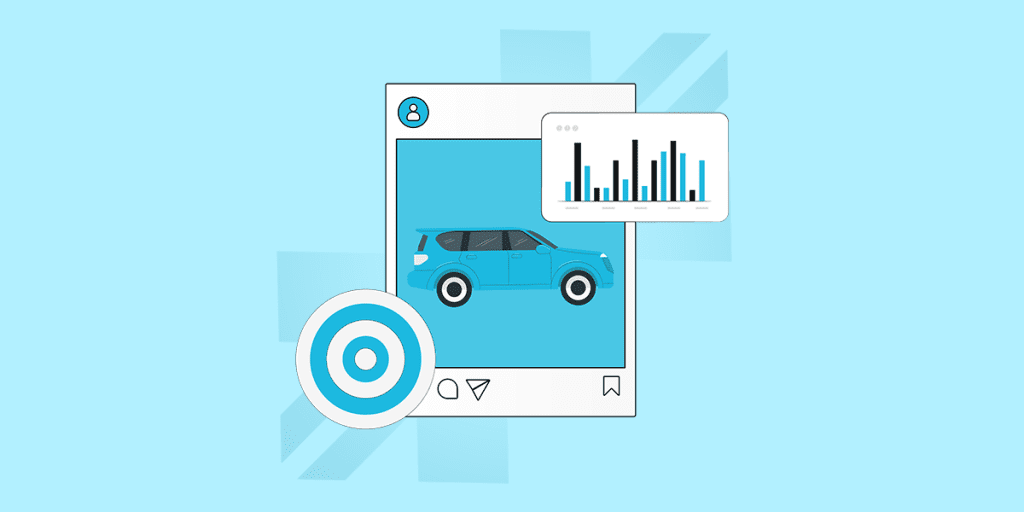
To maximise the effectiveness of your social media marketing, focus your efforts on platforms that resonate with your target audience. Facebook Ads Manager, Pew Research Centre, Followerwonk, and Twitter’s Advanced Search can help you identify which platforms your potential customers frequent. Or, you can ask your customers about their preferred networks through in-person interactions or surveys via Google Forms or JotForm.
About 84% of your consumers can be found on Facebook, so this platform can be your first target. However, if you’re aiming to capture the attention of millennials, Instagram is their preferred network.
If your target audience primarily consists of women or you’re seeking to attract more female buyers, Pinterest has a significant female user base. Your social media agency can assist you in determining the optimal platforms for reaching your desired audience. Once identified, the next step is to create compelling content and engaging posts to connect with them successfully.
Set Your Goals
Quantifiable metrics like follower count and the number of likes are easy to track, but they aren’t that valuable. Some effective metrics to watch are engagement, conversion, and click-through rate. You may also consider which are suited for different social media networks and measure them for each platform.
For instance, if your goal is to drive website traffic using LinkedIn, you can measure click-through rates. On Instagram, where brand awareness is the goal, you can measure the number of story viewers. If you are going to advertise on your Facebook page, cost-per-click is usually the success metric.
Your social media goals should keep in touch with your overall marketing objectives. This makes it easier to show your work’s value and get support from your boss. To ensure your goals are clear and reachable, they should be:
- Specific (simple and sensible).
- Measurable (meaningful and motivating).
- Achievable (agreeable and attainable).
- Relevant (reasonable, realistic, resourced, and results-based).
- Time-bound (time-based, time-limited, timely, and time-sensitive).
Choose the Right Social Media Platforms
The top social media marketing platforms for businesses are Facebook, YouTube, Instagram, and LinkedIn. These social media marketing sites require different strategies. Here’s an overview of each one:
Facebook is an excellent social media marketing platform for building connections with current customers and releasing the latest updates and events. You can hold discussions and live streams and market to customers of all ages, including baby boomers. Additionally, when creating a Facebook ad, you can select the demographics you want to market to. Once that ad is published, Facebook automatically shows it to the most relevant consumer base.
YouTube
YouTube is known for its tutorials, how-tos, and explainer video content, as well as shoppable YouTube live streams, video ads and display ads, and SEO (videos dominate the “how to” SERP). Regardless of the industry, YouTube’s video platform is effective for advertising because of its highly engaged users and ad placement. You can select who sees your ads on YouTube by setting buyer personas.
Instagram provides a selection of content formats, from feed posts, stories, and reels to lives and IGTV. The platform is ideal for influencer marketing and user-generated content. Additionally, you can easily market to millennials on Instagram because they are one of the largest auto buyer groups active on the platform.
LinkedIn is a great network for finding new prospects and sharing industry insights. You can network with partners, peers, and customers while sharing company milestones and culture.
Create a Compelling Social Media Strategy
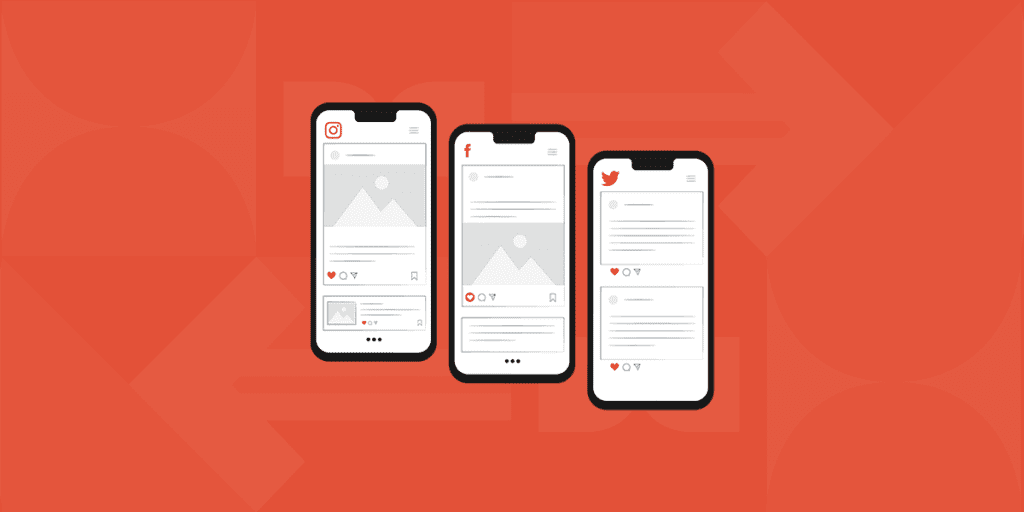
In an oversaturated market, customers want to know what differentiates one option quickly. Knowing what sets you apart can help you position yourself and your products and stand out. Social media marketing helps increase conversions by highlighting what sets you apart. A unique selling proposition (USP) is a great way to achieve that through your social media bio.
Here are three easy steps to find a unique selling proposition for your car dealership:
- Conduct competitor analysis to examine your competitors’ products and how you can surpass them. You can leverage this information through social media marketing.
- Communicate with your audience to learn what they want and meet their expectations.
- Add evergreen content. Create a content calendar with an exclusive content strategy. Incorporate fresh and engaging content with your target audience. After some experiments, determine which content is doing well among your specific demographics and make it your USP.
Content Creation and Curation
Car dealerships with older vehicles in their inventory can showcase them with high-quality and professional photos. You can market a hard-to-sell vehicle through professional custom vehicle photos. Unlike stock photos, custom photos for dealerships can help highlight the vehicles’ unique features. Ultimately, posting the photo on social media channels can attract and engage a niche audience.
Utilising a testimonial and referral programme can serve dealerships well. Excellent customer reviews can enhance the brand image on social media platforms. These can also increase trust and credibility among buyers. Give away incentives like discounts and gift cards to customers who share their positive experiences.
Harness the Power of Influencer Marketing
Utilise influencer marketing as part of your social media marketing strategy to showcase your automotive products. Choose relevant influencers in the automotive industry to collaborate with and reach their followers. Adapt to strategies based on data-driven insights and audience feedback because successes for one brand may not work for another.
Despite potential costs, influencers can provide a favourable return on investment. Before choosing influencers, consider their pricing, check their content alignment with your brand, and evaluate their follower count and engagement rate.
Advertise on Social Media
Social media advertising has many formats, so you can use high-quality images and videos to engage users on various platforms like Facebook and Instagram through ads. A paid social media campaign involves a series of ads to maximise your social media advertising results in achieving your goal. Ads include sponsored posts, search or display ads, and videos supported on a budget. A strategy helps plan how these will appear, in what order, and on which social media platforms.
Furthermore, car dealers can build their audience according to their social media activities. Then, they can target people interested in their social media accounts or websites. This way, dealers can optimise their spending budget, increase the effectiveness of their advertising, and target the right people.
Build Customer Trust and Loyalty
Dissatisfied customers often express dissatisfaction to their closest friends or post their complaints on social media, potentially affecting your brand. Conversely, when customers are satisfied with your services, they can influence their network to visit and ultimately purchase from your dealership. Sprout Social’s report stated that 65% of customers use social media for customer service. With this in mind, you can use social media channels to showcase your brand’s image and demonstrate exceptional customer service.
Use social media, newsletters, and in-store marketing techniques to encourage customers’ enrolment in loyalty reward programmes. From there, you gain insight into the strategies for helping your customers increase their engagement with your brand. You can detect trends that sway them to participate and help you sharpen your omnichannel messaging for other audiences.
Track and Analyse Performance
Paid media costs a lot of money, so keep your paid media campaigns effective by tracking and adjusting your efforts based on the results. This ensures a return on investment and helps you make smart decisions. Paid media ads are beneficial for car dealerships. Utilise analytics tools like Buffer and HootSuite to track clicks, impressions, conversions, and other relevant metrics.
Apply Social Media SEO Strategies
Social media SEO strategies include optimising your social media profiles for search engines:
- Add your business address on Facebook and include relevant keywords in your posts.
- On Twitter, use the main keyword in your username and a short bio. Always use hashtags in your posts and add descriptions to your images before posting tweets.
- On Pinterest, use your main keyword in your username and bio section. Then, create boards related to your primary keywords. Use long-tail keywords for titles and descriptions.
Stay Compliant with Regulations
As concerns about digital marketers’ misuse of personal information arise, laws and regulations govern consumer data protection. Dealerships should clearly understand online advertisers’ privacy policies and settings for personal and business accounts. Employees should also refrain from using social media accounts for work purposes.
Car dealerships should also be mindful of the following:
- Client testimonials with positive feedback shouldn’t be reproduced without permission.
- You can get your business sued when you photograph a person without their consent or permission, which is called the misappropriation of likeness.
- Using a person’s name or image to endorse your product without consent violates privacy.
Embrace Emerging Trends in Social Media Marketing
Car dealerships can stay updated with the latest trends in social media marketing with live streams and AI copywriting. Live streaming allows businesses to interact with their audience in real-time. They can also answer customers’ queries and address their concerns before finalising their purchasing decisions.
Additionally, using AI like Jasper and Copy.ai for copywriting captions can speed up content creation. These AI-powered tools can generate compelling and relevant captions, helping marketers save time and effort while maintaining consistency and quality.
Case Study: Success Stories in Automotive Social Media Marketing
Tesla’s Cybertruck Reveal
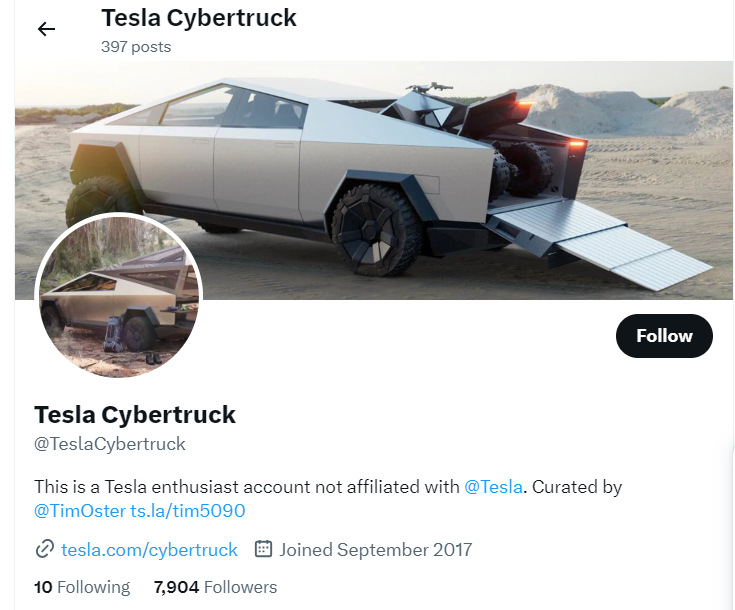
Tesla’s social media marketing campaign for the Cybertruck created massive buzz and anticipation. Using Twitter to share updates about the electric pickup truck generated immense attention, with over 250,000 pre-orders within a week of the vehicle’s reveal.
Frequently Asked Questions (FAQs)
What Are the Best Social Media Platforms for Car Dealerships?
The best social media platforms for car dealerships include Facebook, Instagram, and YouTube because of their broad reach, visual content options, and engagement features suitable for showcasing automotive products and engaging with potential customers.
How Can I Reach My Target Audience Effectively?
Utilise targeted advertising on social media platforms, leverage audience insights and analytics, create compelling and relevant content, engage in community management, and collaborate with influencers or micro-influencers with a strong presence among your target audience.
What Are Some Creative Content Ideas to Engage Potential Customers?
Some creative content ideas to engage potential customers include behind-the-scenes videos, customer testimonials, interactive quizzes or polls, virtual vehicle tours or test drives, informative blog posts or articles, live Q&A sessions, and user-generated content campaigns such as photo contests or customer stories.
How Can I Track the Performance of My Social Media Marketing Efforts?
To track the performance of your social media marketing efforts, utilise platform analytics to monitor key metrics such as reach, engagement, click-through rates, conversions, and ROI. Set specific goals, track campaign-specific data, use UTM parameters for tracking links, and regularly analyse and evaluate the results to make informed decisions.
Is Influencer Marketing Effective for Car Dealerships?
Influencer marketing can be effective for car dealerships. Collaborating with popular influencers in the automotive industry helps increase brand awareness, reach your target audience, and enhance credibility. However, only choose influencers whose values and audience align with your brand.
Maximise Social Media Marketing for Car Dealerships with Digitexe
In conclusion, social media marketing is precious for car dealerships to expand their reach and connect with potential customers. Facebook, Instagram, and Twitter can help dealerships regularly showcase their inventory, engage with their audience, and build a robust online presence. Digitexe can further enhance your digital marketing efforts. Contact us today to maximise your success in the competitive automotive industry!
Transform Clicks Into Customers
Stand out in the competitive auto industry & transform clicks into customers with Digitexe’s tailored marketing solutions for the auto industry. Contact us for a consultation to boost your dealership’s performance today!
Book a Free 15-minute consultation 🗓️